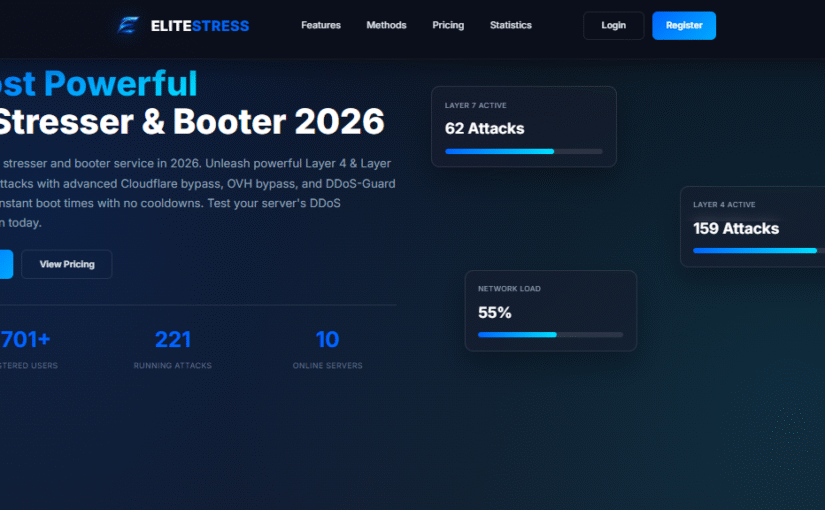
In the rapidly evolving world of cybersecurity, understanding tools like ReaperStress is becoming increasingly important. ReaperStress is a software tool designed to test the stability and resilience of computer networks. While its capabilities can be useful for legitimate purposes, it also has the potential for misuse, which makes knowledge about it critical for cybersecurity professionals.
Understanding ReaperStress
ReaperStress is often classified as a network stress testing tool. The software simulates large amounts of traffic directed at a server or network, effectively testing how the system performs under pressure. This can help IT professionals identify weaknesses in their networks and make improvements to prevent downtime or security breaches.
In practice, ReaperStress sends multiple requests to a server in a controlled environment. These requests mimic the behavior of real users or even potential attack traffic. By monitoring how the server responds, administrators can analyze performance bottlenecks, ensure their hardware and software can handle peak loads, and strengthen defenses against cyber threats.
Features of ReaperStress
One of the key aspects of ReaperStress is its ability to create high-intensity network traffic. The software typically allows users to customize the type of requests, frequency, and duration of testing. This makes it versatile for different scenarios, such as testing a website during high traffic periods or simulating distributed denial-of-service (DDoS) conditions to evaluate server defenses.
However, the dual nature of such tools means they require careful handling. When used legally and ethically, ReaperStress helps organizations protect their networks. In the wrong hands, it can become a tool for malicious attacks, which is illegal and can have serious consequences.
Ethical Use of ReaperStress
It is essential to understand that using ReaperStress without authorization is considered illegal in most countries. Conducting stress tests on networks you do not own or do not have permission to test qualifies as a cybercrime. Ethical cybersecurity professionals always operate under explicit consent from network owners.
Learning to use tools like ReaperStress in controlled environments, such as cybersecurity labs, helps professionals develop practical skills. It teaches them how servers respond under stress, how to identify vulnerabilities, and how to implement measures to protect systems against actual attacks.
Conclusion
ReaperStress is a powerful tool in the cybersecurity toolkit, offering insights into network performance and resilience. Its ability to simulate high-traffic scenarios makes it invaluable for testing purposes, but misuse can lead to severe legal consequences. Ethical use, combined with proper understanding, allows cybersecurity experts to strengthen defenses and improve system reliability.